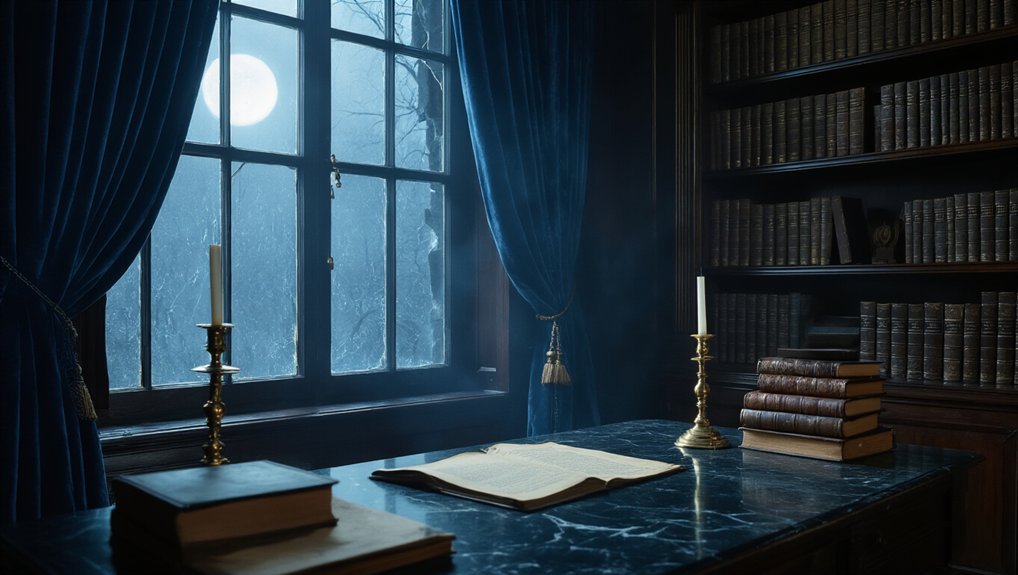
How to Create a Dark Academia Aesthetic Using Deep Blue Palettes
Tired of rooms that feel like everyone copied the same Pinterest board? Black walls and tartan throws are everywhere now—and they can feel heavy fast. Deep blue is your way out.
I love how a rich navy or midnight palette gives you that same scholarly mood without the gloom. It ages better too. Where black shows every speck of dust, deep blue softens with time, picking up character from the light that hits it morning and evening.
This isn’t about buying a look in one weekend. It’s about choosing pieces that wear in, not out—a wool blanket that pills just right, leather that creases, brass that dulls to gold. Build it slowly, and you’ll have a space that actually feels like yours.
Ready to see how deep blue can transform your shelves, walls, and whole mornings?
What Makes Deep Blue the Core of Dark Academia Style
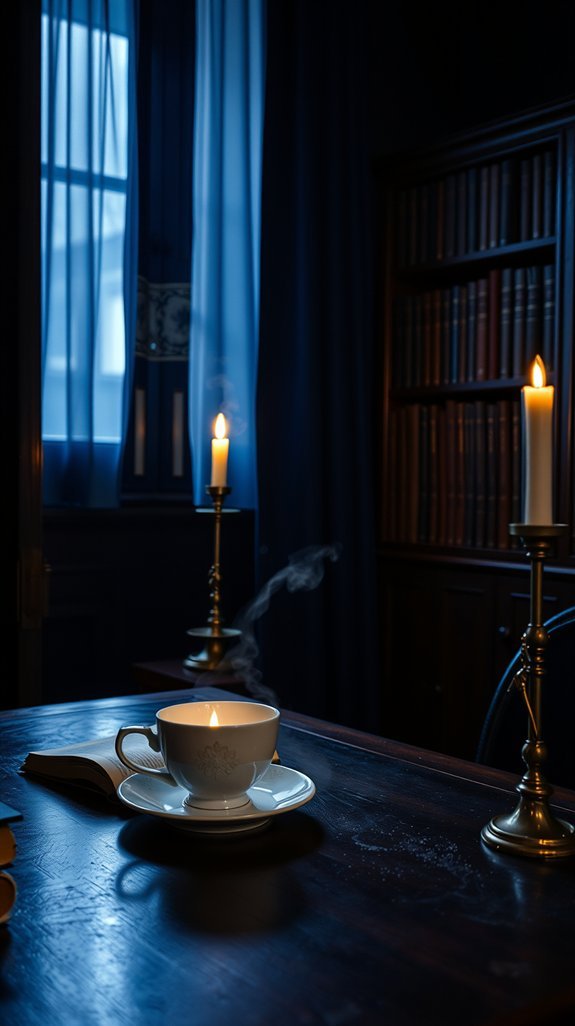
You’ve probably stared at your room and felt something was missing—that itch for a space that actually *feels* like you, not just another beige rental.
For me, that search always landed on one color: deep blue. I love how this shade instantly wraps a room in quiet confidence, like stepping into a library where someone thought deeply about every choice.
It’s not just pretty—deep blue hides scuffs, calms your mind after long days, and pairs with almost anything you already own.
The best part? This isn’t a trend that expires. Centuries of scholars chose this exact tone for their robes and studies because it *lasts*.
Stick around, and I’ll show you exactly how to weave that same timeless weight into your own space.
Find Affordable Navy and Denim Without Thrifting Exhaustion
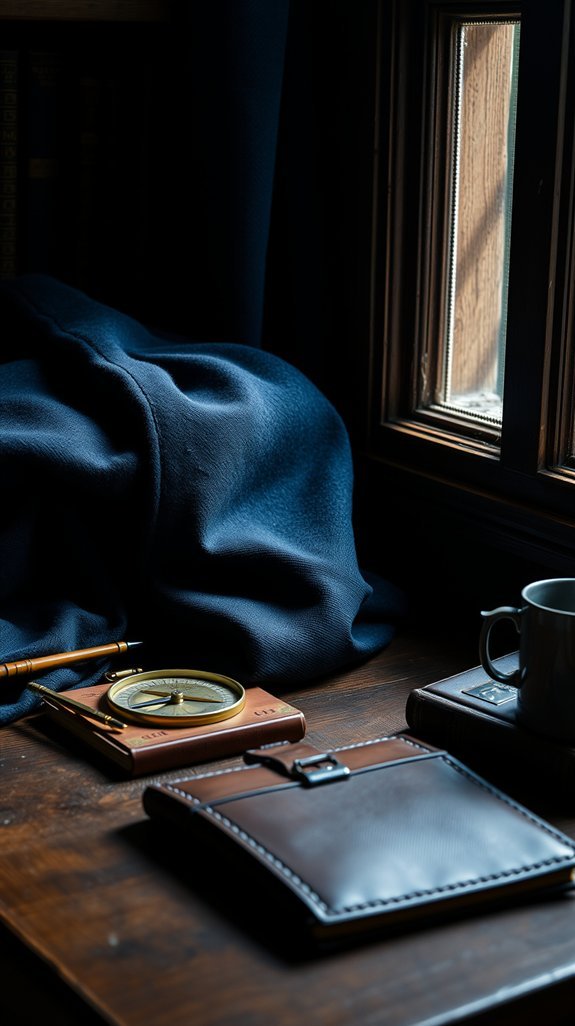
Nothing drains a Saturday faster than digging through thrift racks for that perfect navy blazer—only to leave with nothing but sore arms and disappointment. I finally found a better way to build the wardrobe I actually want.
By setting smart filtered searches on resale sites and timing end-of-season sales, I can score quality wool trousers, cable knits, and structured denim without the treasure-hunt exhaustion. I love how intentional it feels to curate pieces that mix and match effortlessly, all while skipping the weekend waste.
This approach saves money *and* mental energy—plus, the clothes last longer because I chose them with purpose. No more picked-over racks or impulse regrets. Ready to see how a strategic eye and a few smart sources can transform your closet? Let’s break it down.
Wear Navy Daily Without Looking Like a Uniform
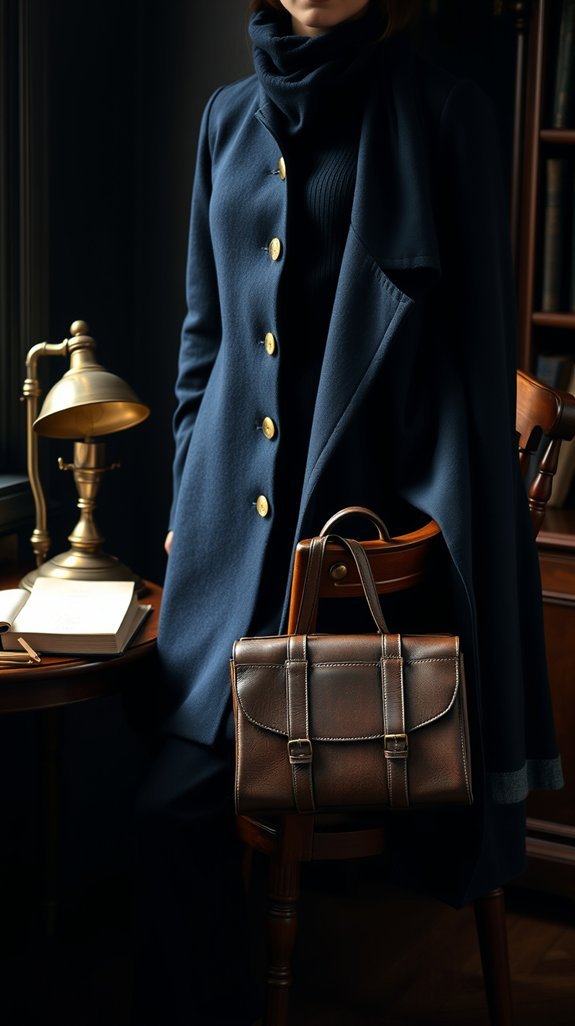
You open your closet, and there it is—navy, navy, everywhere. It feels safe, polished, but somehow you’re inching toward looking like you work on a cruise ship. I’ve been there.
The trick isn’t buying less navy. It’s wearing it smarter. I love how mixing textures transforms the same color into something completely fresh—think soft knits against structured wool, or crisp cotton with worn leather. A washed denim jacket with tailored navy trousers? Suddenly you’re intentional, not repetitive.
Silhouette is your secret weapon. One day it’s relaxed wide-legs, the next a fitted vest that shows you actually thought about it. Add antique brass buttons or a scuffed leather belt, and you’ve got personality without trying too hard.
Silhouette shifts the story—relaxed wide-legs today, fitted vest tomorrow. Small details do the heavy lifting.
Best of all, this approach builds a wardrobe that works harder for you—fewer pieces, more possibilities. Ready to see how versatile your navy really is?
Layer Worn Textures That Suggest Actual History

We’ve all stared into a closet full of navy and felt something missing. The color is classic, sure, but it can feel flat—too safe, too new, too much like a uniform you never asked for.
The fix is simpler than you think. Start mixing in pieces that have lived a little: a velvet blazer that’s lost its sheen, wool that’s softened with years, leather that’s cracked in the right places. I love how one worn texture changes everything—suddenly your outfit has depth, memory, something to notice.
This isn’t about buying “vintage aesthetic.” It’s about collecting real pieces that get better with age, saving you money and decision fatigue while looking more intentional than anything store-fresh.
Ready to see how a few imperfect layers can transform your whole approach? Let’s dig into the textures that actually matter.
Match Deep Blue to Weathered Neutrals and Aged Metal
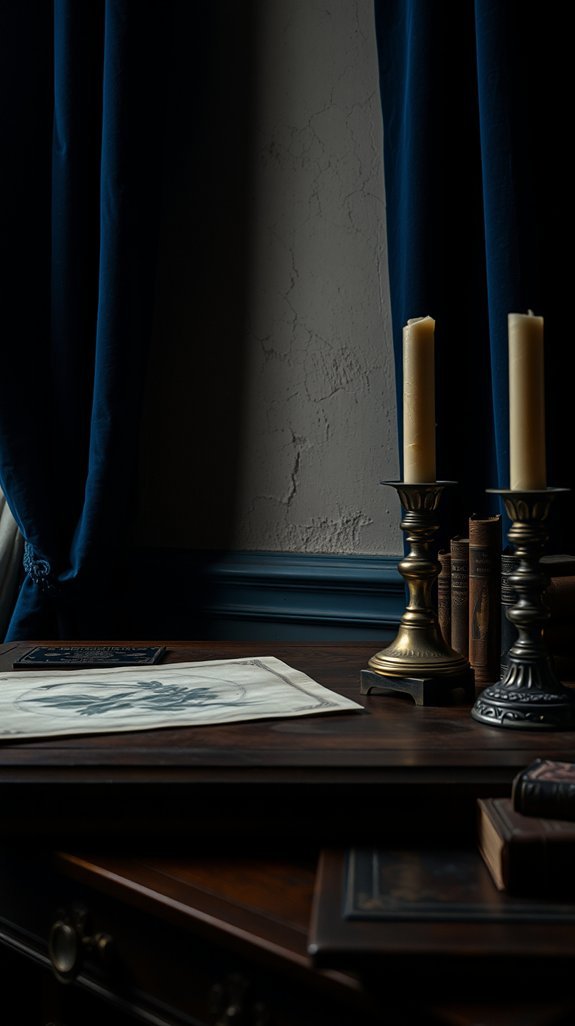
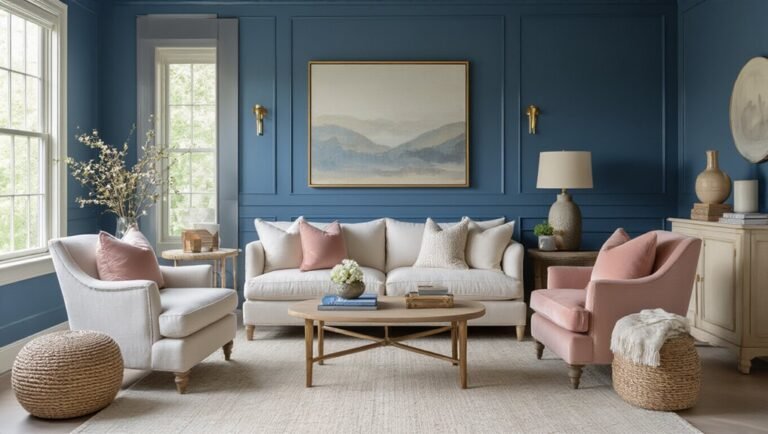
You want your space to feel calm, but your deep blue sofa keeps reading as cold or flat. The fix? Pair it with what time has already softened. I love how weathered neutrals—think sun-bleached taupe, ash-gray wool, bone leather—give navy somewhere to land. Add aged brass lamps or a rust-kissed iron table, and suddenly that same blue feels lived-in, wise, not stuffy. This isn’t a trend you chase; it’s a mix that only gets better as pieces patina and settle into each other. The tension between polished and imperfect? That’s the heart of it. Ready to see how this pairing transforms a room?
Distress New Pieces to Match Your Old Favorites

There’s nothing worse than bringing home a beautiful new bookshelf, only to have it stick out like a sore thumb against your cozy, lived-in pieces. That sleek, perfect finish clashes with the character you’ve spent years curating—the worn leather, the faded maps, the stories etched into every scratch.
I love how a little intentional distressing bridges that gap. A relaxed Saturday project with some sandpaper, dark wax, or layered paint transforms that factory-fresh wood into something that feels like it belongs. Suddenly your new shelf doesn’t compete with your treasures—it joins them.
This isn’t just about appearances. You’re creating a home where every piece connects, where nothing feels too precious to use and enjoy. The best part? Those small imperfections you add become part of your story, not something to worry about.
Ready to give your newest find some instant history?
Build a Reading Nook in the Same Color Story
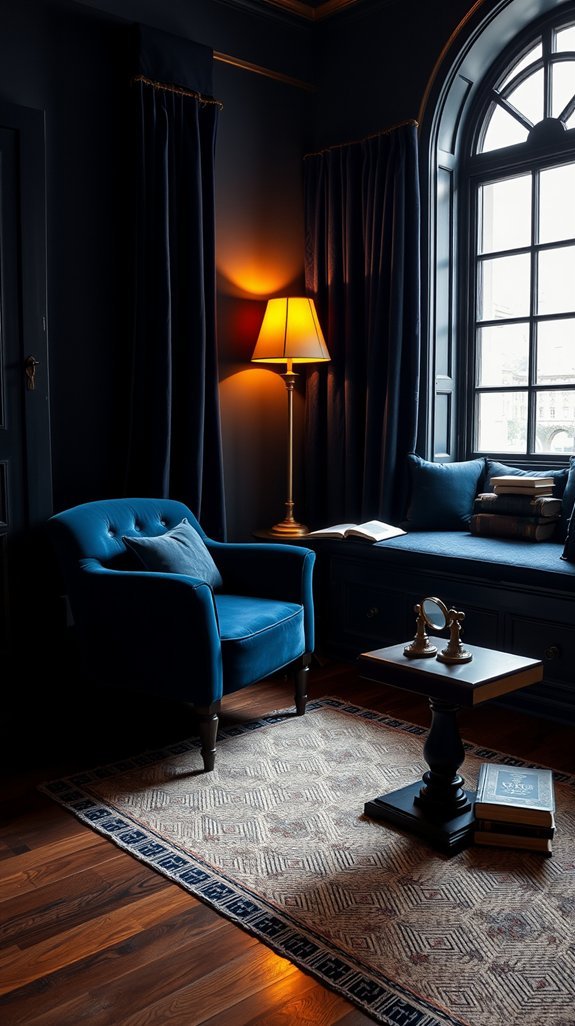
Some nights you just want to shut out the world with a story that pulls you somewhere else—but your couch has crumbs, your bed has laundry, and nowhere feels like *yours*.
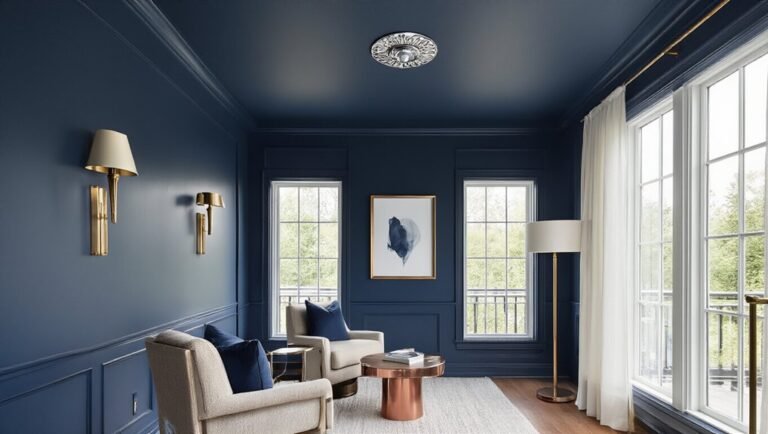
That’s where a reading nook steps in. Picture a corner swathed in one continuous color: midnight blue velvet, shadowed walls, that perfect deep tone that tells your brain it’s time to slow down. I love how wrapping a small space in a single moody hue makes it feel intentional, like a secret rather than an afterthought. Stack some floor cushions, add a worn leather chair, and suddenly you have a destination. Brass sconces and candle clusters keep the light low and lovely. Color-block your shelves in indigo, navy, and storm gray to keep the eye calm. Best part? This isn’t weekend-only magic—it’s there every evening, waiting. Scroll on for four ways to build your perfect escape.
Adjust the Intensity for Office, Evening, and Summer
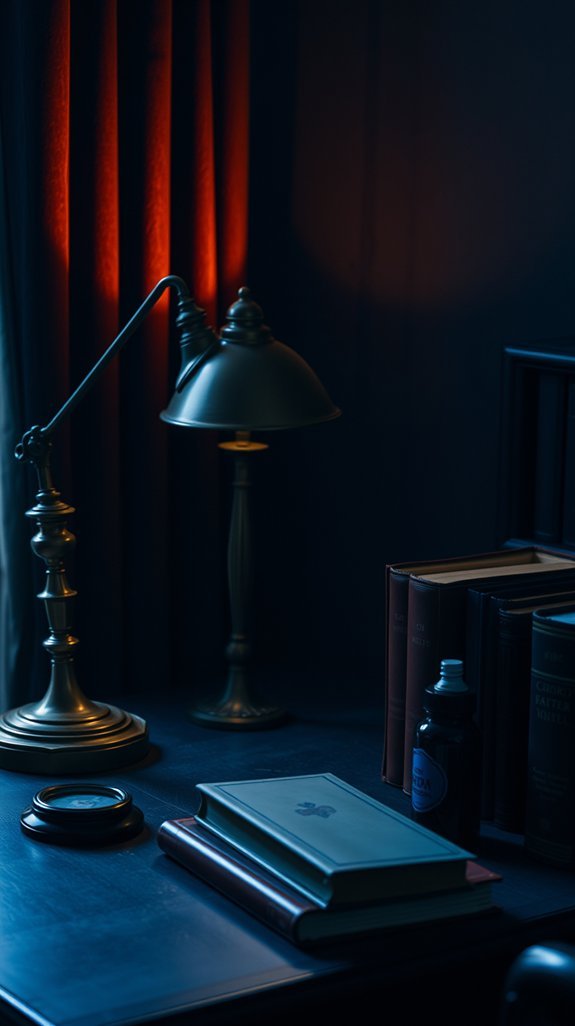
We’ve all had that moment: squinting at a laptop in a cave-dark office, or squinting again—this time at harsh afternoon glare bouncing off walls that suddenly look washed out and sad. Lighting and color shouldn’t fight you, but too often they do.
Here’s the good news: you don’t need three different homes for three different moods. You just need to know how to shift your palette’s intensity like a dimmer switch. I love how a single deep blue can feel sharp and focused at noon, then cocoon-like by evening with the right adjustments. It’s the same color, only smarter.
These small tweaks save you from constant redecorating while keeping every space feeling intentional. Curious how to make your colors work overtime? Let’s look at three moments in your day that need entirely different approaches.
Conclusion
Ever feel like your space looks pulled together but still feels… empty? That polished-yet-hollow vibe is more common than you’d think. Deep blue palettes fix this beautifully. I love how navy and midnight tones instantly add depth without overwhelming a room—they’re moody but welcoming, like a well-loved library. Beyond looks, these colors hide wear and age gracefully, so your space actually improves over time. Whether you’re layering indigo throws or painting an entire study, you’re building something that lasts. Ready to see how shadows and scholarly blues can transform your everyday spaces?