Scandinavian Interior Design Must-Haves for a Warm Minimal Home
Minimalism Meets Hygge: The Scandinavian Balance
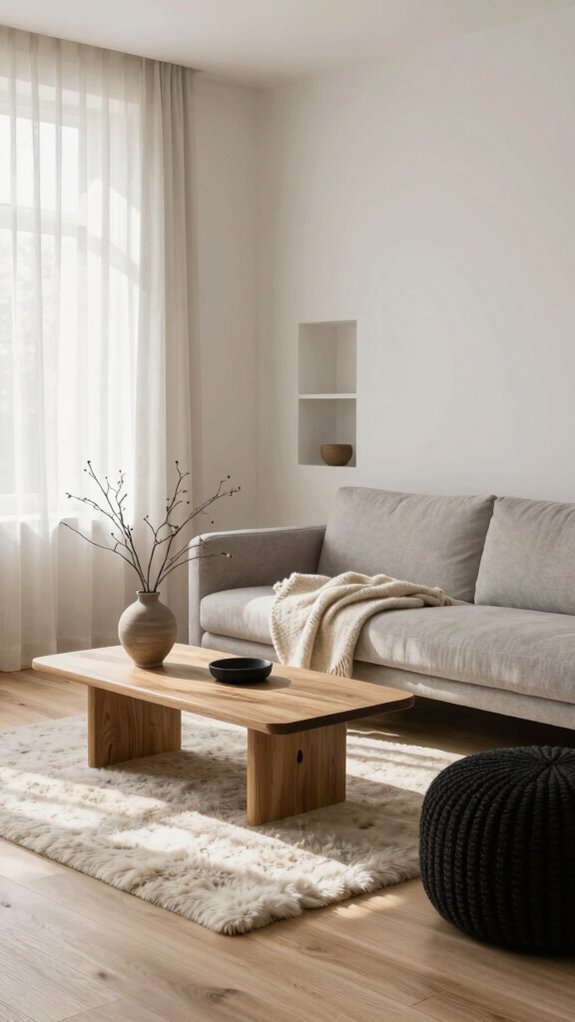
How does one reconcile the stark simplicity of minimalism with the warm coziness of hygge? Scandinavian design masters this apparent contradiction by prioritizing quality over quantity. Rather than cluttering spaces, designers select purposeful pieces that serve both aesthetic and functional roles. Natural materials like linen feature prominently, offering tactile warmth within restrained palettes. Neutral colors create calm backdrops while layered textures—wool throws, soft furnishings, candlelight—introduce intimate comfort. This philosophy rejects excess consumption yet embraces sensory pleasure. The result is uncluttered rooms that feel inviting rather than cold, where simplicity enables rather than inhibits coziness, demonstrating that minimalism and hygge strengthen each other fundamentally.
Start With Color: Warm Neutrals and Natural Tones
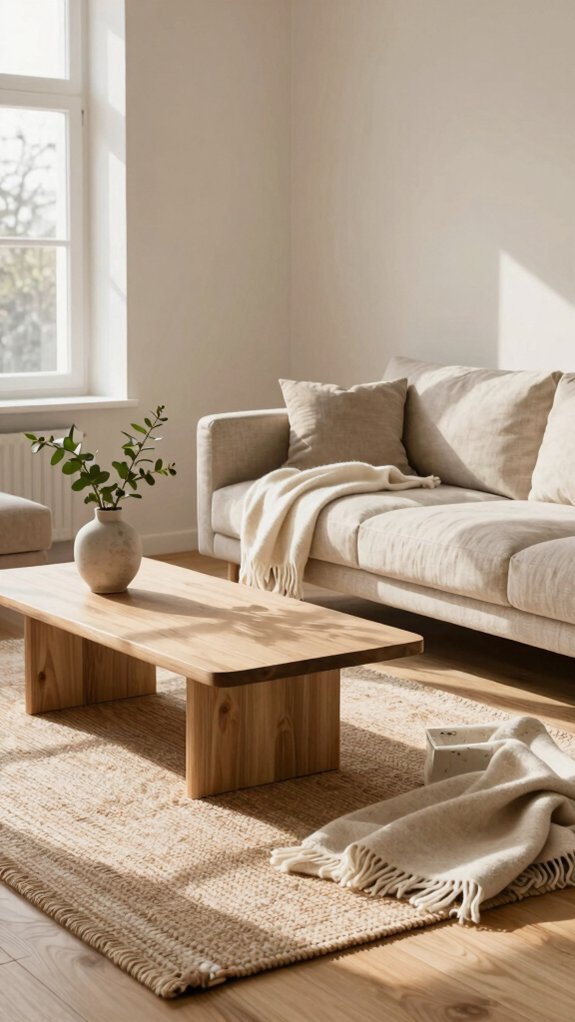
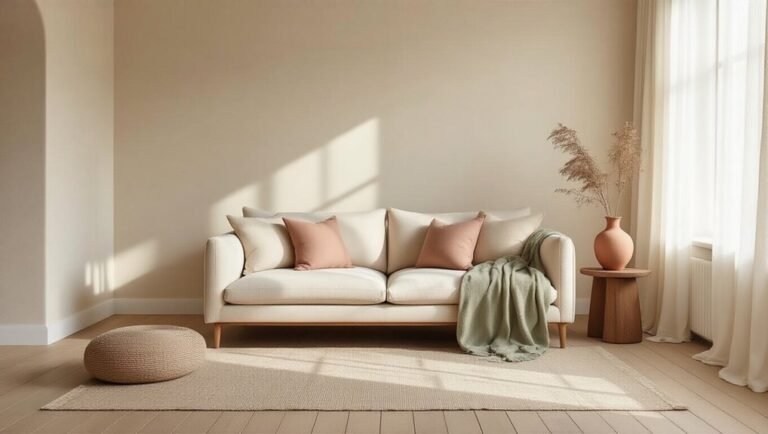
Why do warm neutrals form the foundation of Scandinavian interiors? These colors create visual calm while maintaining warmth that counterbalances minimalism’s starkness. Off-white and alabaster shades dominate walls and larger furniture pieces, reflecting natural light and expanding spaces.
Complementing these are soft grays, warm beiges, and muted taupes that add subtle depth without visual clutter.
Natural tones derived from wood, stone, and linen textures reinforce the connection to Nordic landscapes. This restrained palette allows carefully selected accent pieces to command attention, preventing spaces from feeling sterile while preserving the minimalist aesthetic.
Natural Light and Layered Lighting for Warmth
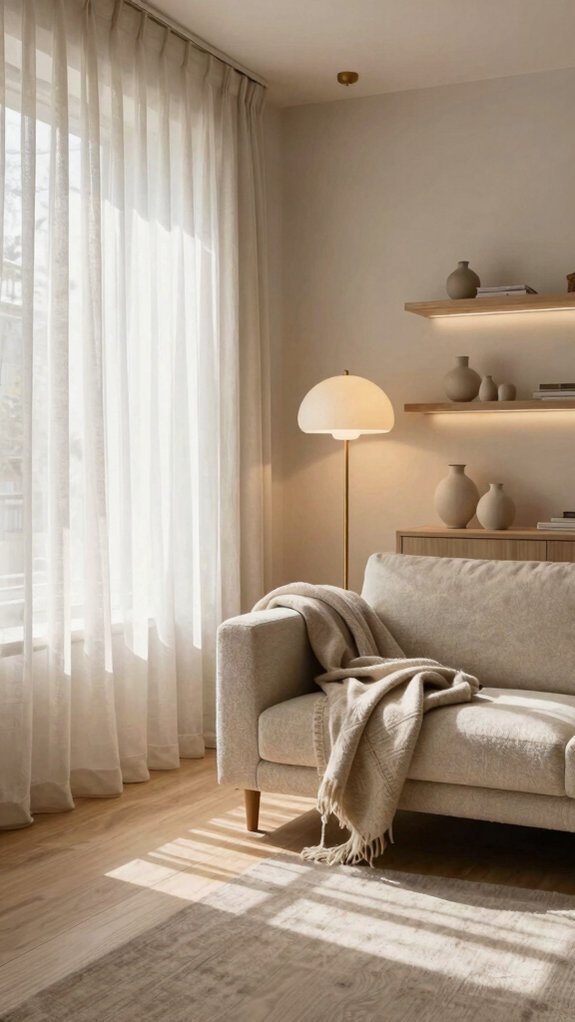
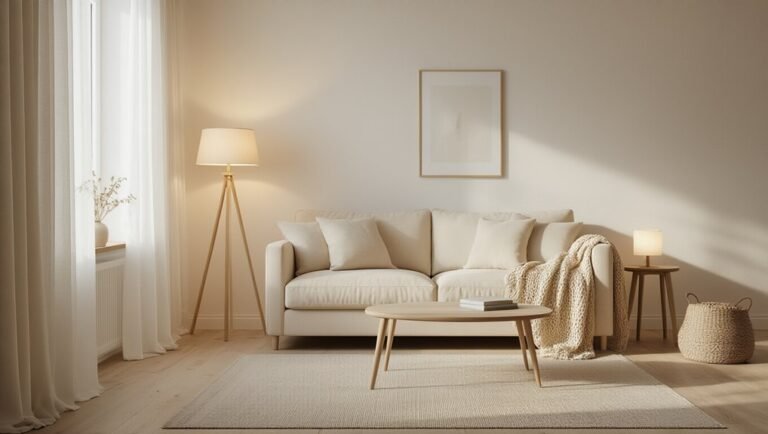
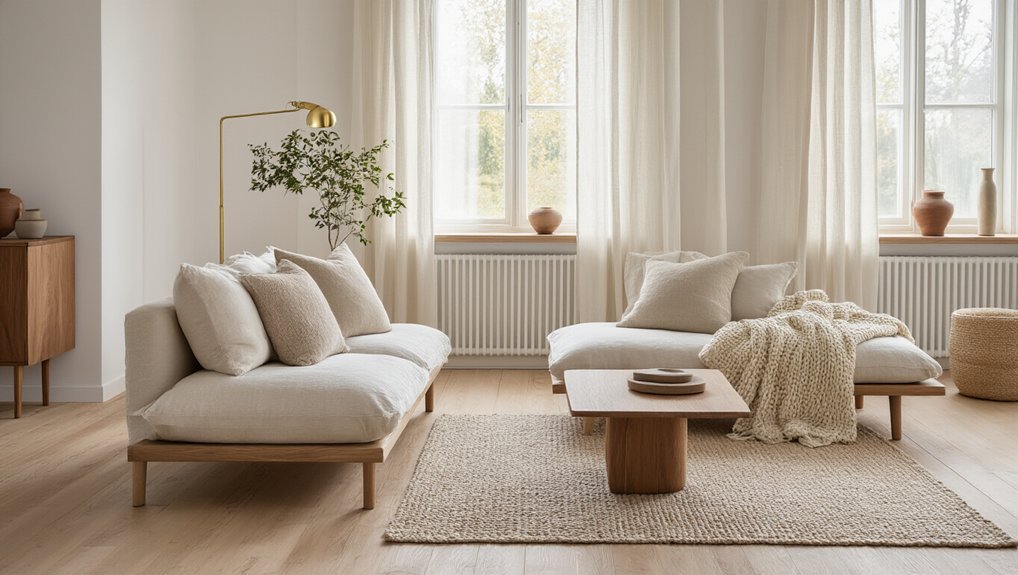
Maximizing natural light stands as a cornerstone principle in Scandinavian design, particularly given the Nordic region’s long, dark winters. Large windows and minimal window treatments allow daylight to penetrate deeply into living spaces. When natural illumination wanes, layered lighting becomes essential. A combination of ambient, task, and accent lighting creates warmth and functionality. Pendant lighting suspended at varying heights adds visual interest while providing focused illumination. Warm-toned bulbs in the 2700K range enhance coziness. Strategically placed floor and table lamps supplement overhead fixtures, allowing residents to adjust brightness according to mood and activity, establishing an inviting, comfortable atmosphere.
Light Wood and Neutral Furniture Fundamentals
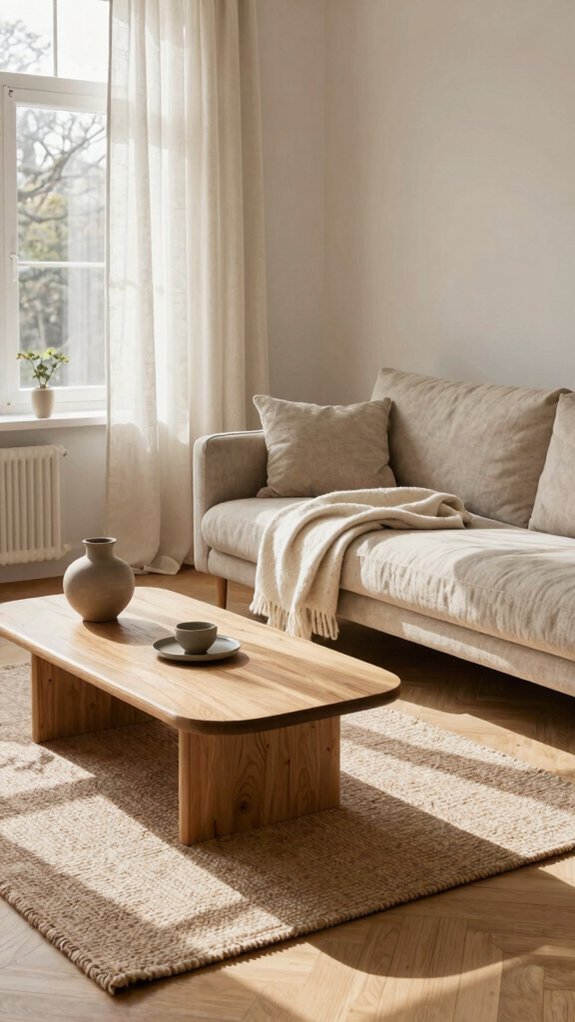
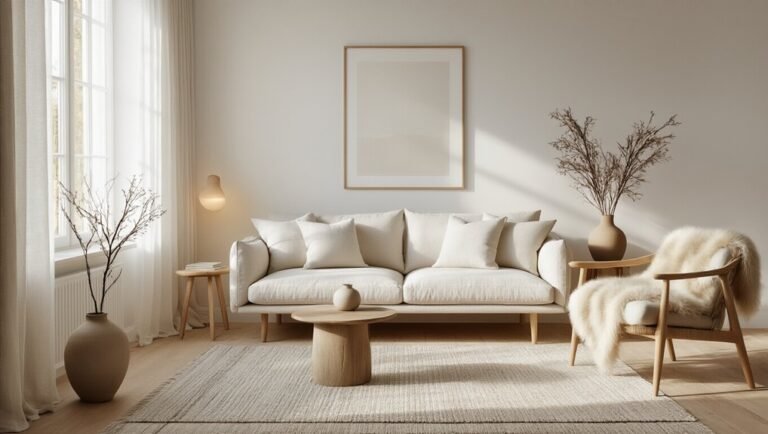
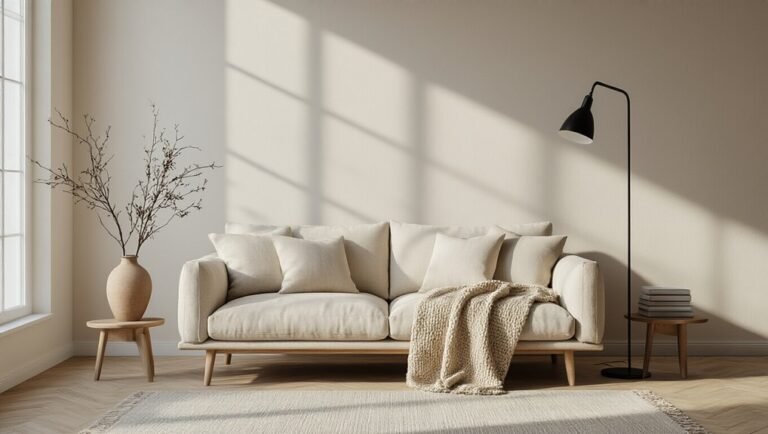
What anchors Scandinavian interiors is the deliberate selection of light wood and neutral-toned furniture that serves as both functional foundation and aesthetic backbone. Light oak and ash wood pieces dominate this design philosophy, offering warmth without visual heaviness. These materials pair seamlessly with cream, beige, and soft gray upholstery, creating cohesive spaces that feel expansive yet inviting.
Furniture prioritizes clean lines and purposeful design, eliminating unnecessary embellishment. Storage solutions blend functionality with minimalist aesthetics, ensuring every piece earns its place. This restrained palette allows natural light to reflect beautifully across surfaces, enhancing the room’s brightness while maintaining sophisticated simplicity.
Layer Comfort: Wool, Linen, and Soft Textiles
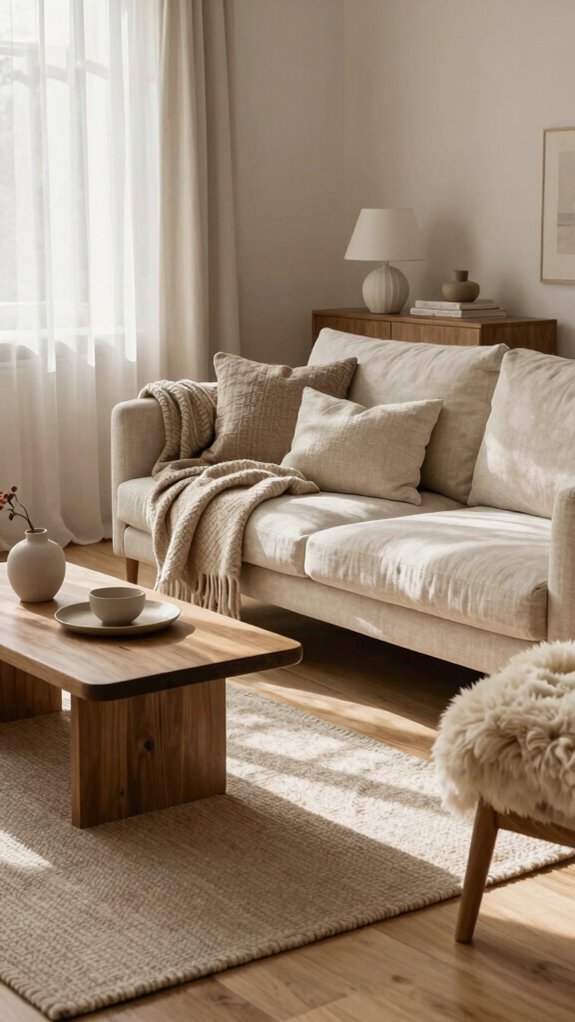
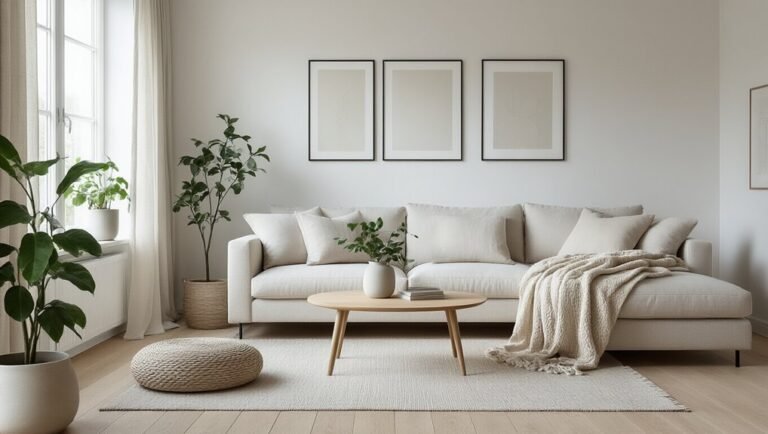
While light wood and neutral furniture establish the visual foundation of Scandinavian interiors, the true warmth emerges through layered textiles that soften these minimalist spaces. Wool throws, linen curtains, and bouclé upholstery introduce tactile richness without visual clutter. These natural fibers provide insulation and comfort, essential in Nordic climates. Layering occurs through area rugs, cushions, and blankets in cream, gray, and white tones that maintain the aesthetic’s purity while creating inviting depth. Quality textiles become functional art, balancing the restraint of Scandinavian design with genuine coziness that encourages inhabitant well-being.
Storage That Disappears: Keeping Clutter Hidden
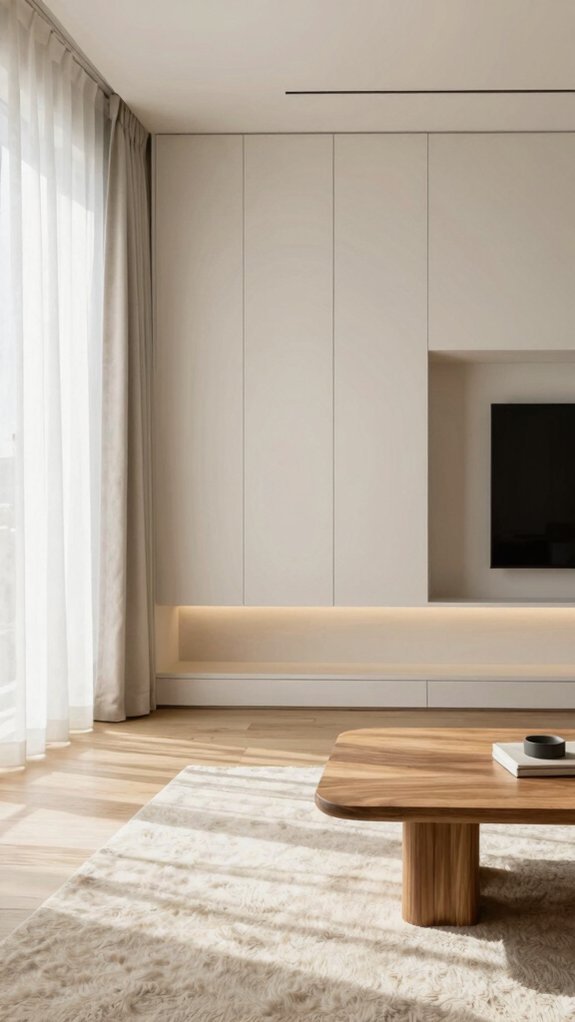
How does one maintain Scandinavian minimalism’s visual serenity without sacrificing functionality? Built-in cabinetry and concealed storage solutions prove essential. Floating shelves display curated items while closed cupboards hide everyday clutter. Furniture with integrated storage—ottomans, benches, and bed frames—maximizes space efficiency. Neutral-colored storage boxes organize contents discreetly. Wall-mounted systems eliminate floor clutter, creating an unobstructed aesthetic. Strategic placement of storage behind sliding doors or within architectural niches maintains the clean lines central to Scandinavian design. This approach allows inhabitants to preserve minimalist principles while maintaining practical organization and accessibility throughout the home.
Bring in Nature: Plants, Stone, and Living Textures
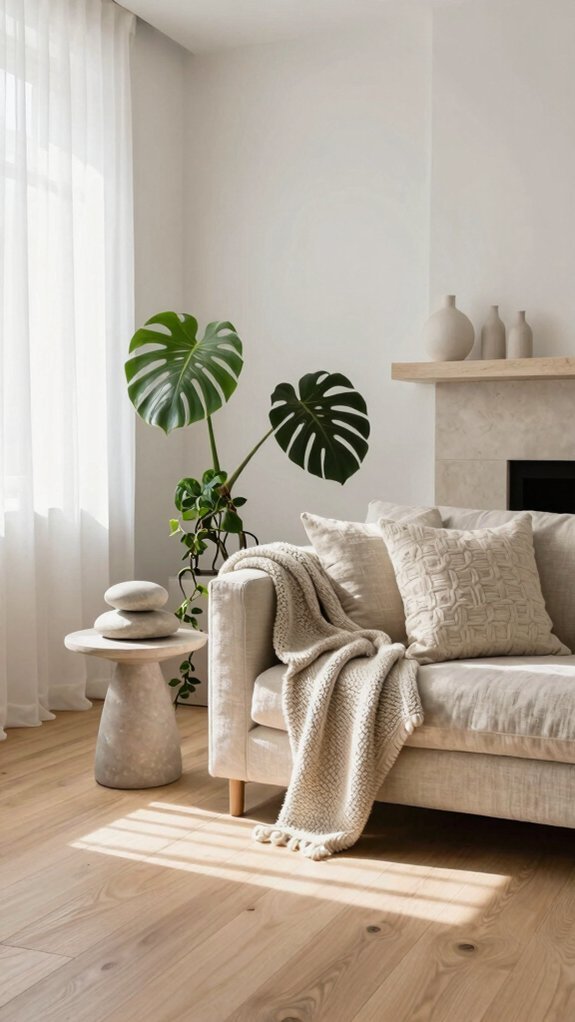
Beyond the walls and storage systems that define a Scandinavian home lies an equally important design element: the natural world itself. Incorporating plants brings life and softness to minimalist spaces, while natural materials ground interiors authentically. Stone surfaces—particularly travertine and limestone—introduce warmth and texture that counterbalance stark simplicity. These porous materials age gracefully, developing character over time.
Living textures from wood, wool, and raw linen create tactile contrast against clean lines. The interplay between organic elements and minimal furnishings establishes visual interest without clutter, embodying Scandinavian design’s core philosophy: nature and restraint working harmoniously together.
Invest Intentionally: Quality Pieces That Last
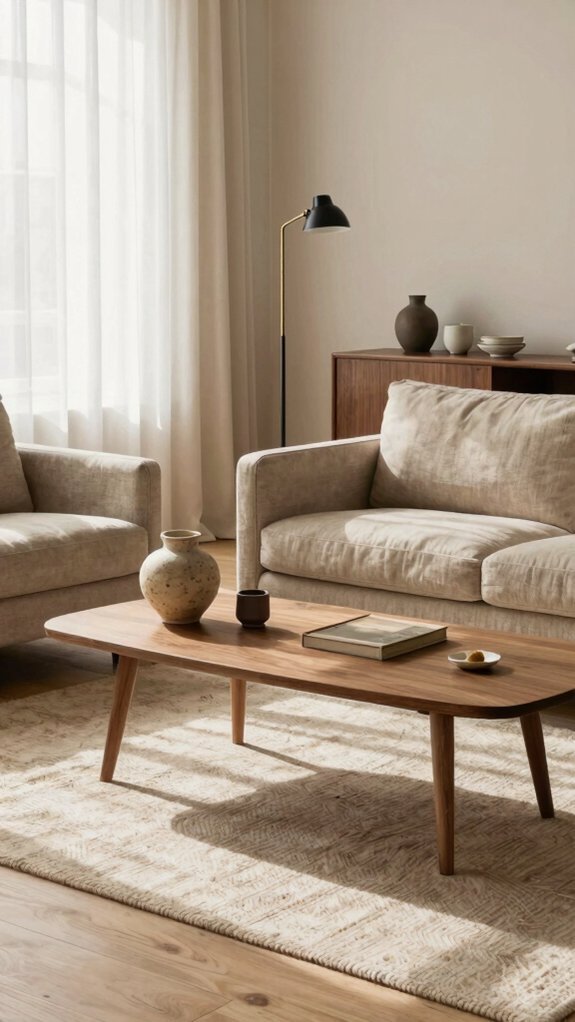
Scandinavian minimalism demands that every object earn its place through durability and purpose.
In Scandinavian minimalism, every possession must justify its existence through lasting durability and genuine utility.
Rather than accumulating disposable items, this design philosophy emphasizes investing in timeless pieces built to withstand decades of use.
Quality furniture, often crafted from solid wood or steel, forms the foundation of authentic Scandinavian interiors.
Natural materials like jute and sisal introduce warmth through carefully selected rugs and textiles that age gracefully.
Prioritizing craftsmanship over trends ensures that each acquisition remains relevant and functional.
This intentional approach reduces waste while creating spaces that genuinely reflect inhabitants’ values and lifestyles.
Room-by-Room: Applying Scandinavian Design at Home
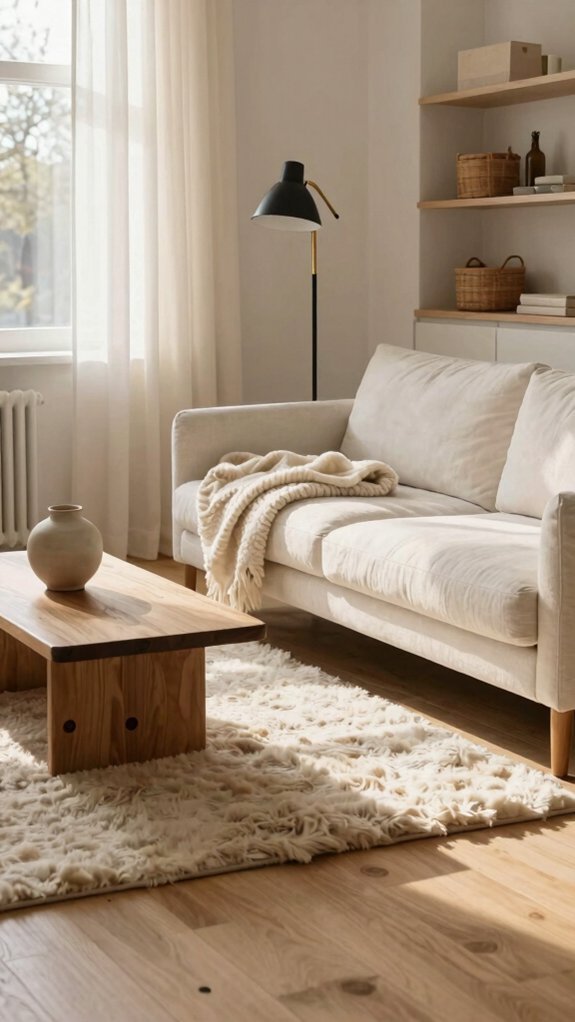
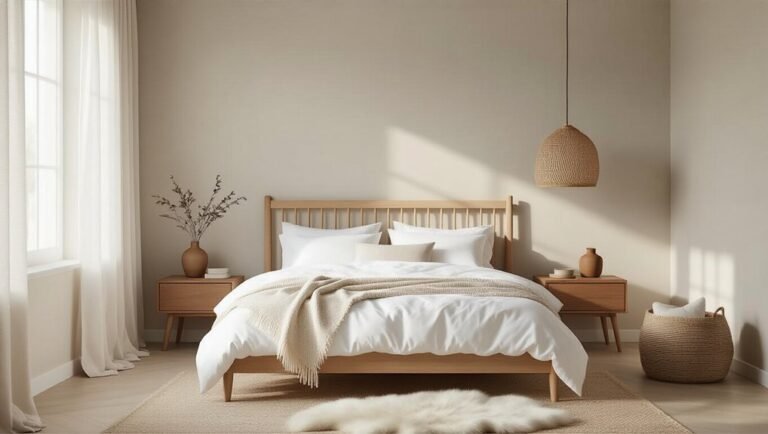
Where does one begin translating minimalist principles into lived spaces? The living room serves as the ideal starting point, anchoring the home with essential furniture like the wishbone chair—a sculptural piece combining function with understated elegance. The bedroom demands restraint: a platform bed, neutral linens, and minimal accessories create restorative calm. Kitchens benefit from organized storage systems and uncluttered countertops. Bathrooms embrace simplicity through natural materials and streamlined fixtures. Each room follows the Scandinavian formula: prioritize quality over quantity, maintain neutral palettes, incorporate natural light, and select pieces serving dual purposes. This methodical approach ensures cohesive, functional spaces throughout the home.