How to Mix Scandinavian Furniture Without Making Your Home Look Flat
Layer Textures to Add Visual Depth
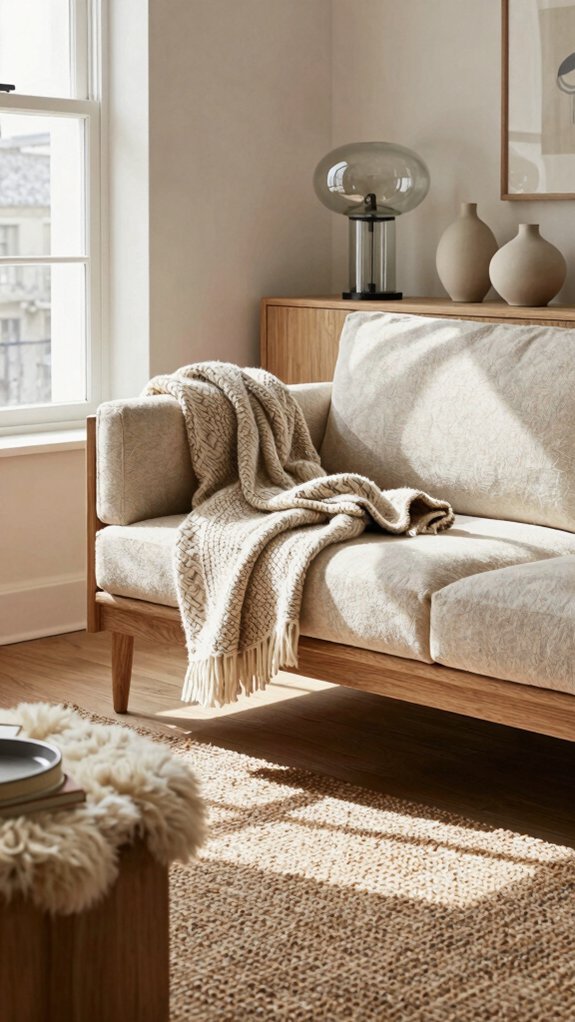
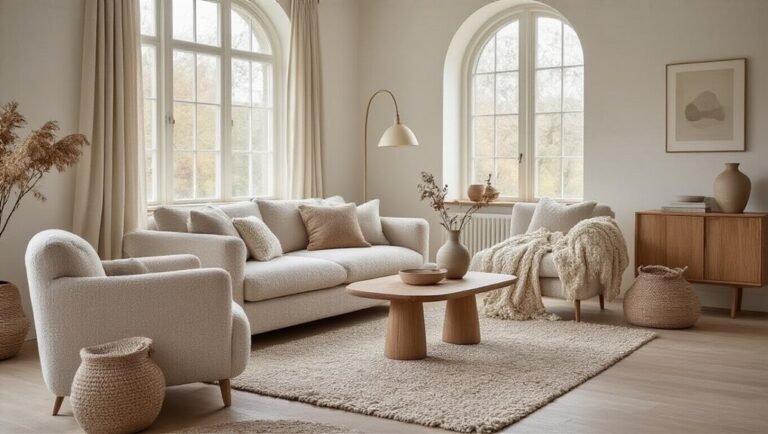
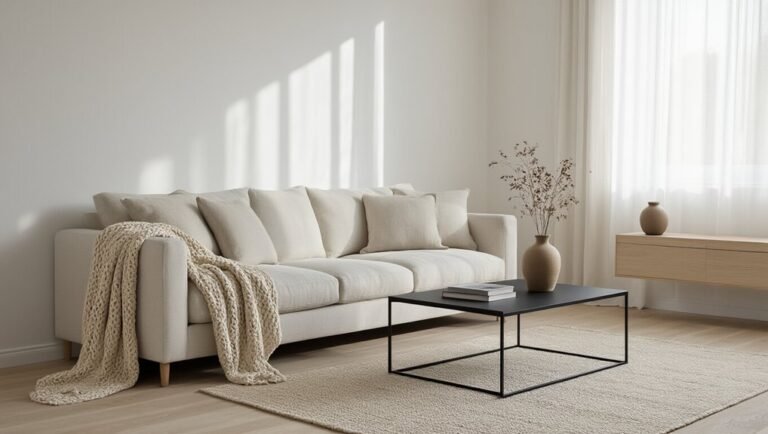
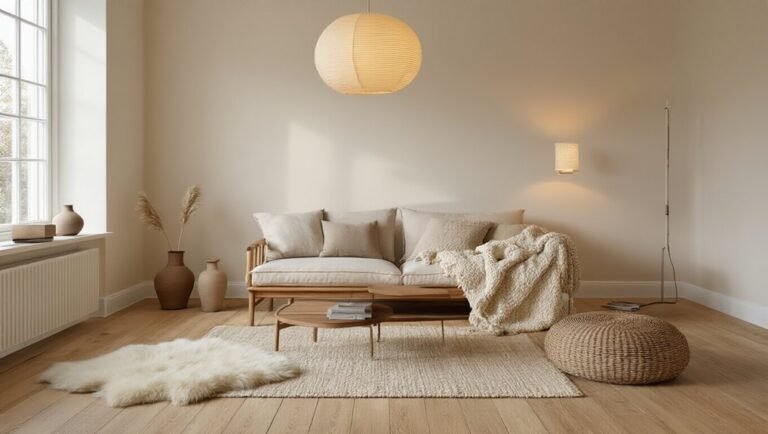
Why do minimalist interiors sometimes feel sterile? The answer often lies in insufficient layered texture. Scandinavian design, while favoring simplicity, thrives on tactile contrast. Combining materials—wool rugs with leather seating, linen curtains against concrete walls, or natural wood alongside metal accents—creates visual interest without clutter. Soft furnishings like chunky knit throws and woven poufs introduce dimension while maintaining the aesthetic’s clean lines. Varying surface finishes prevents monotony; matte, glossy, and rough textures work together harmoniously. This strategic approach to layered texture transforms austere spaces into inviting environments, proving that Scandinavian minimalism need not sacrifice warmth or sophistication.
Mix Warm and Cool Tones in Your Neutral Palette
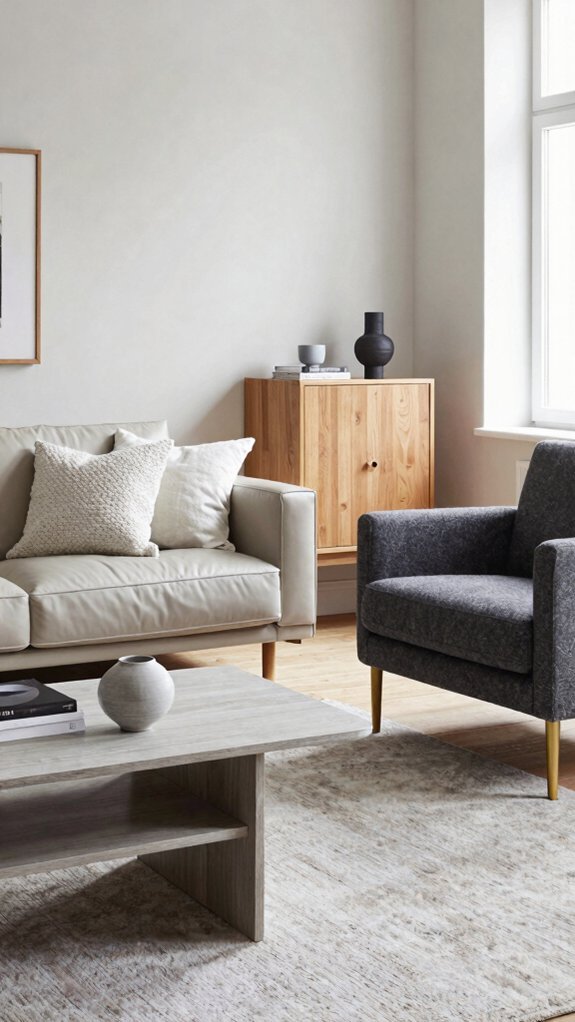
While layered textures provide tactile dimension, the interplay of warm and cool tones within a neutral palette delivers visual sophistication to Scandinavian interiors. Soft whites and creams form the foundation, while warm grays with beige undertones create inviting spaces. Cool grays and pale blues introduce subtle contrast without disrupting harmony. This tonal balance achieves quiet luxury—understated elegance that feels intentional rather than austere. Pairing warm wood furniture with cool-toned accessories, or introducing soft blue accents alongside warm linens, prevents monotony. Strategic color selection maintains Scandinavian minimalism while adding nuanced depth and visual interest throughout the home.
Combine Wood Finishes and Metals for Contrast
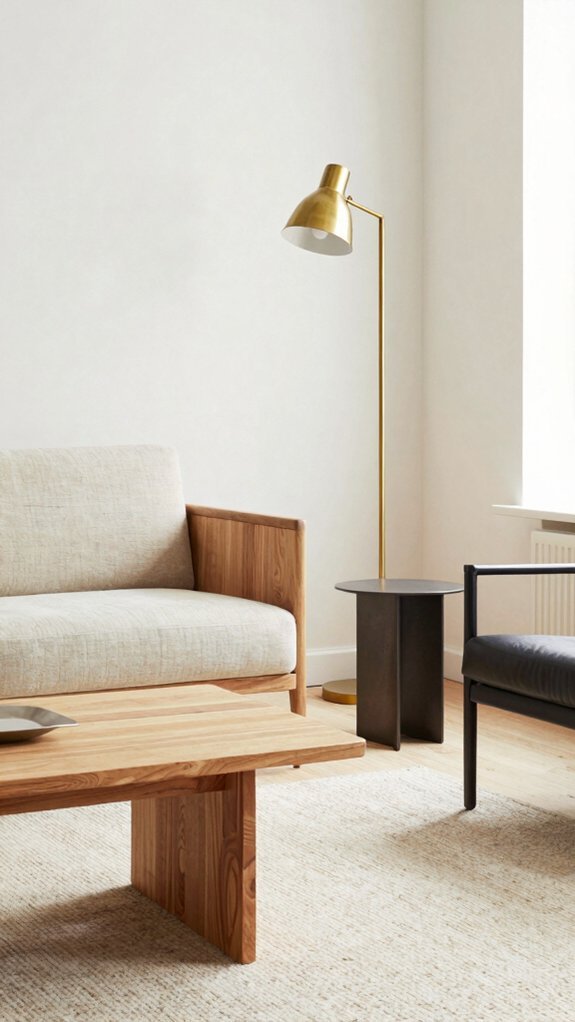
How can wood and metal elements work together to elevate a Scandinavian interior? Combining varied wood finishes with metallic accents creates visual depth and prevents monotony. Pairing light oak with darker walnut introduces natural contrast, while incorporating brushed copper, matte black, or polished steel hardware and fixtures adds sophistication.
High-low mixing—blending expensive statement metal pieces with affordable wood accessories—makes this approach accessible without compromising aesthetics. A brass pendant light above a simple pine table, or steel chair legs against a reclaimed wood console, demonstrates how these materials complement rather than compete. This strategic layering prevents the minimalist palette from feeling sparse or uninviting.
Introduce Statement Pieces to Break Visual Monotony
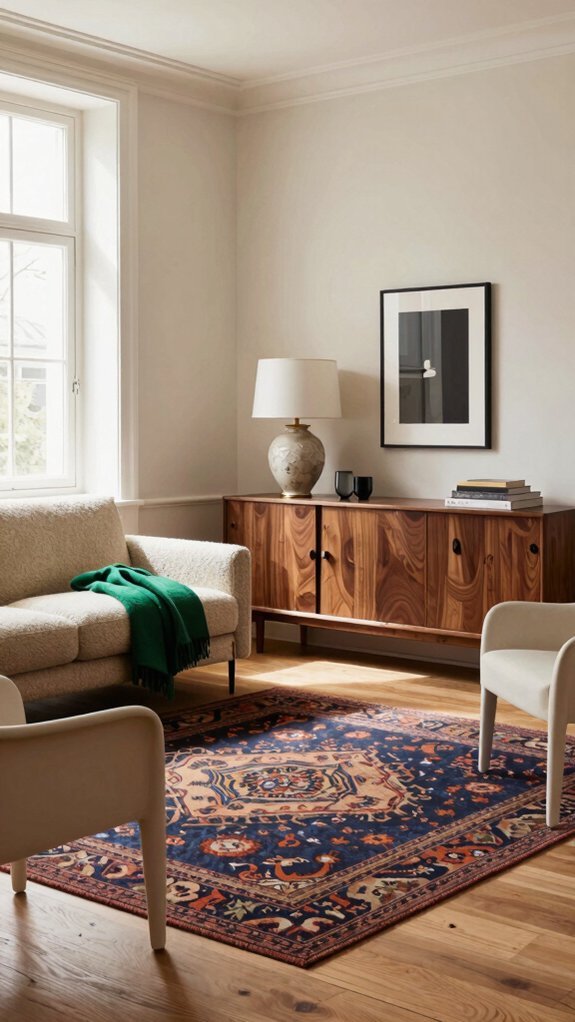
Though Scandinavian design celebrates restraint and functionality, an interior composed entirely of neutral tones and simple forms risks feeling austere rather than serene. Strategic statement pieces inject personality and visual interest into minimalist spaces. A bold artwork, sculptural lighting fixture, or vibrant accent chair commands attention without overwhelming the room.
Circular design elements—round mirrors, curved seating, or geometric wall installations—break the linearity often associated with Scandinavian interiors. These focal points create deliberate contrast against understated backgrounds, preventing the space from appearing flat or lifeless. The key lies in selecting pieces that align with Scandinavian principles while introducing unexpected visual depth and character.
Place Focal Points Strategically in Each Room
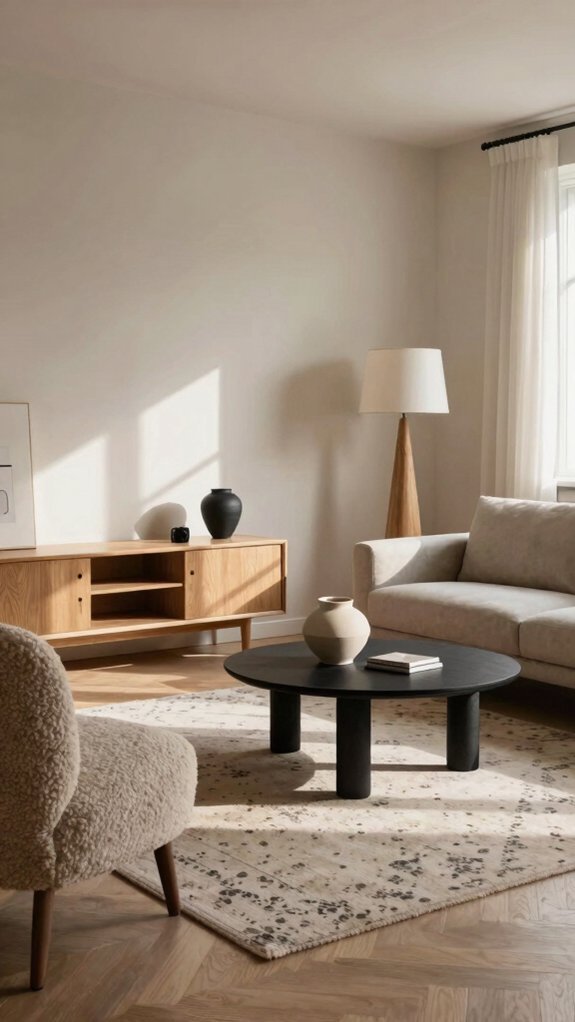
Where should a focal point anchor a room? Strategic placement transforms Scandinavian interiors from monotonous to dynamic. Each room requires a deliberate focal point—a statement artwork, fireplace, or architectural feature that commands attention. Floating sideboards work exceptionally well, offering visual interest while maintaining the minimalist aesthetic.
Position focal points at natural eye level and ensure they contrast with surrounding elements through color, texture, or scale. This approach prevents visual flatness by creating depth and directing movement through space. Focal points establish hierarchy, making rooms feel intentional rather than haphazardly furnished, while preserving Scandinavian design’s clean, uncluttered principles.
Pair Iconic Pieces With Unexpected Finds
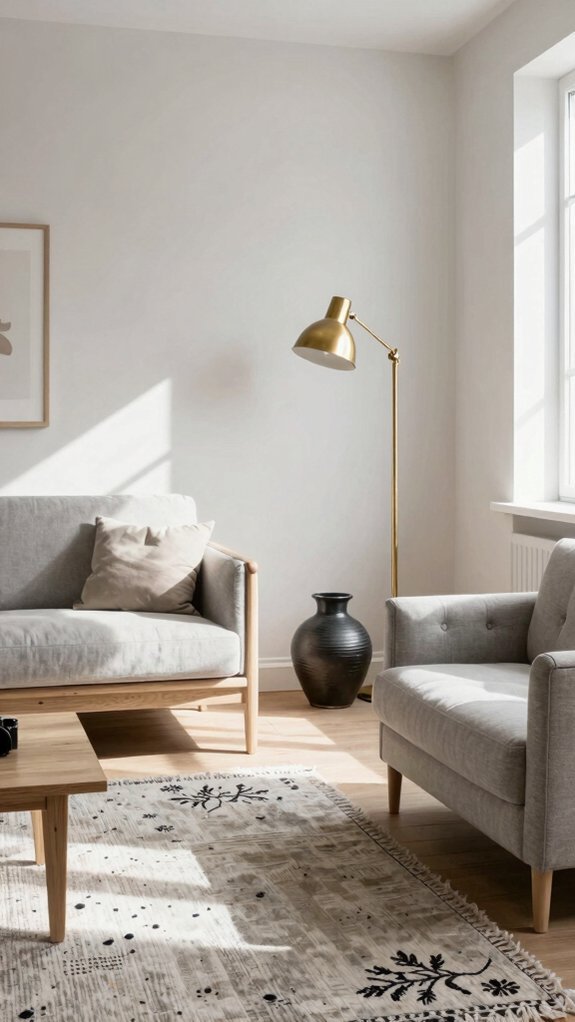
Can mixing a classic Eames chair with a vintage flea market find truly work within Scandinavian design? Absolutely. Pairing iconic pieces with unexpected finds creates visual interest and prevents spaces from feeling sterile. A sleek mid-century sofa gains character alongside an antique wooden trunk or eclectic artwork. This approach balances Scandinavian minimalism’s clean lines with personality and warmth. The key lies in selecting pieces that share either color palettes, materials, or proportions. Unexpected finds shouldn’t clash but rather complement iconic furniture through thoughtful curation. This layering technique transforms rooms from austere to inviting while maintaining the aesthetic’s core principles of functionality and restraint.
Play With Fabric and Material Variety
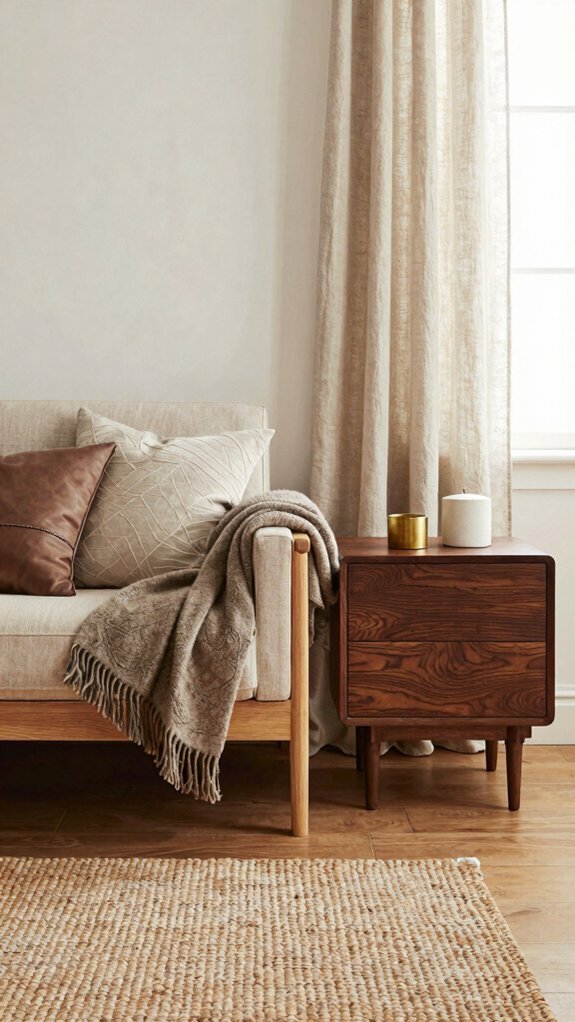
While curating iconic and unexpected pieces establishes visual interest, the textures and materials chosen for those furnishings determine whether a space feels cohesive or chaotic. Mixing natural wood with metal accents, leather with linen, and wool with fluted glass creates dimensional depth. Scandinavian design thrives on this contrast—pairing rough textures against smooth surfaces prevents monotony. Incorporating varied materials through upholstery, lighting fixtures, and accessories grounds the aesthetic while maintaining sophistication. The key lies in ensuring materials complement rather than compete, allowing each element to enhance the overall composition without overwhelming the senses or diluting the minimalist foundation.
Know When to Embrace Empty Space
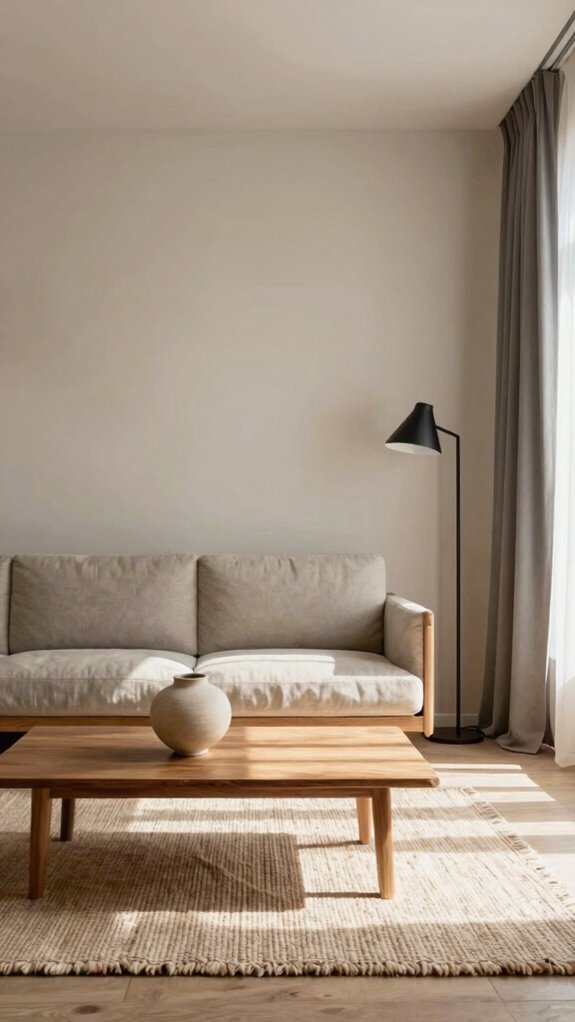
How does restraint enhance rather than diminish a room’s visual airiness? Scandinavian design thrives on negative space, creating rooms that feel expansive and uncluttered. Rather than filling every corner, strategically positioned furniture allows sight lines to flow uninterrupted across the space. This deliberate emptiness prevents visual heaviness and maintains the minimalist aesthetic central to Nordic interiors. Empty walls breathe. Open floor areas invite movement. By resisting the urge to overcrowd, designers amplify perceived dimensions and create serene environments. Thoughtful spacing between pieces establishes balance, allowing each furniture item to command attention individually while contributing to cohesive, airy compositions that define Scandinavian design excellence.