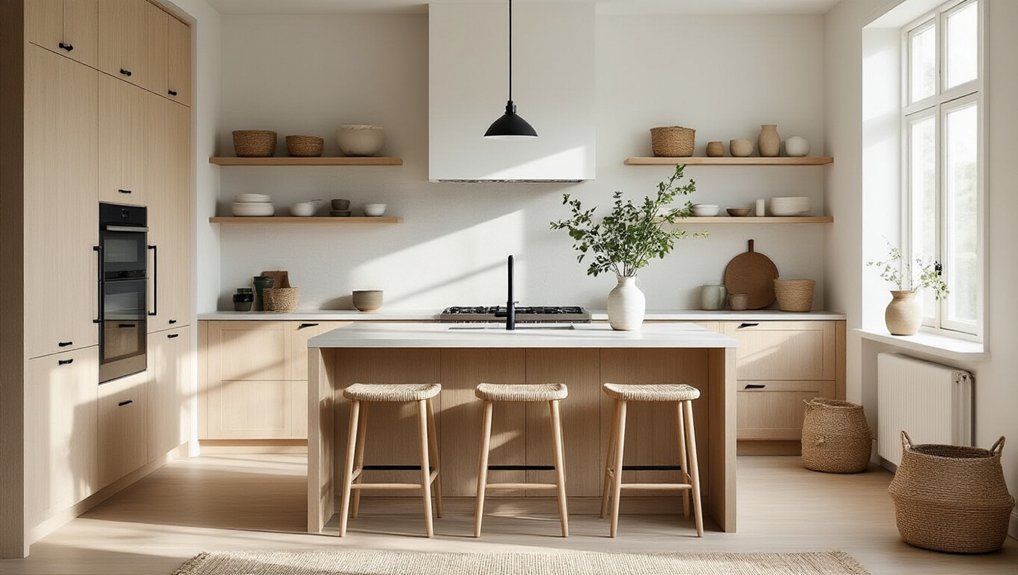
9 Scandinavian Kitchen Design Tips for a More Timeless Look
Embrace a Scandinavian Color Palette as Your Foundation
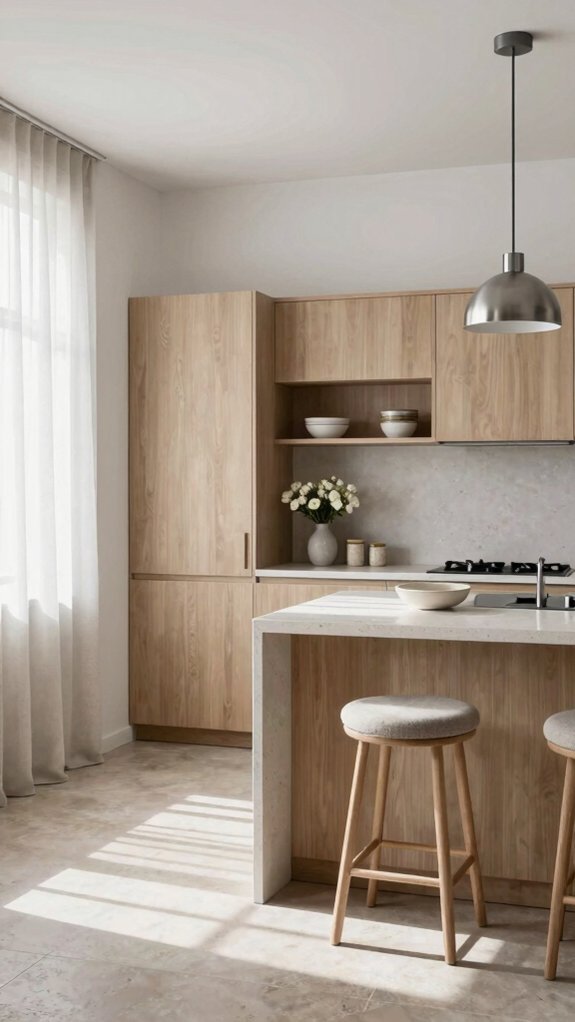
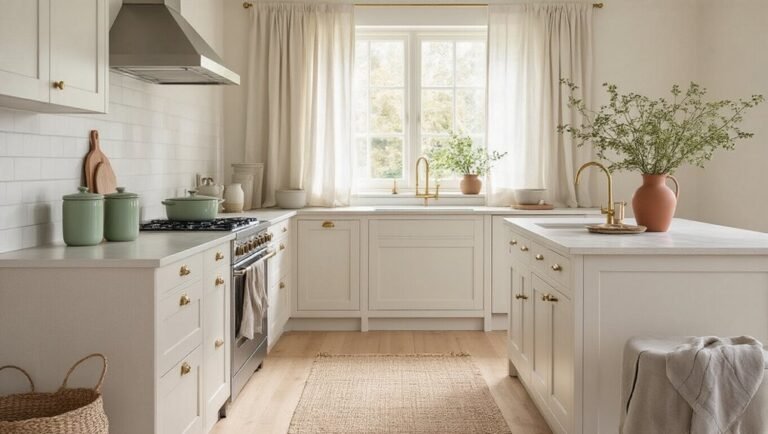
Why do Scandinavian kitchens feel so effortlessly calm and inviting? The foundation lies in their distinctive color palette. Scandinavian design favors neutrals—whites, grays, and blacks—complemented by nature-inspired accents like sage and muted olive. These subdued tones create visual harmony while maintaining warmth and sophistication. Unlike trendy palettes that quickly feel dated, these timeless colors endure across decades. The restraint in color selection allows quality materials and craftsmanship to shine. By anchoring the kitchen in this balanced palette, homeowners establish a serene backdrop that accommodates evolving décor preferences while preserving the aesthetic’s inherent elegance and functionality.
Choose Natural Materials Built to Age Beautifully
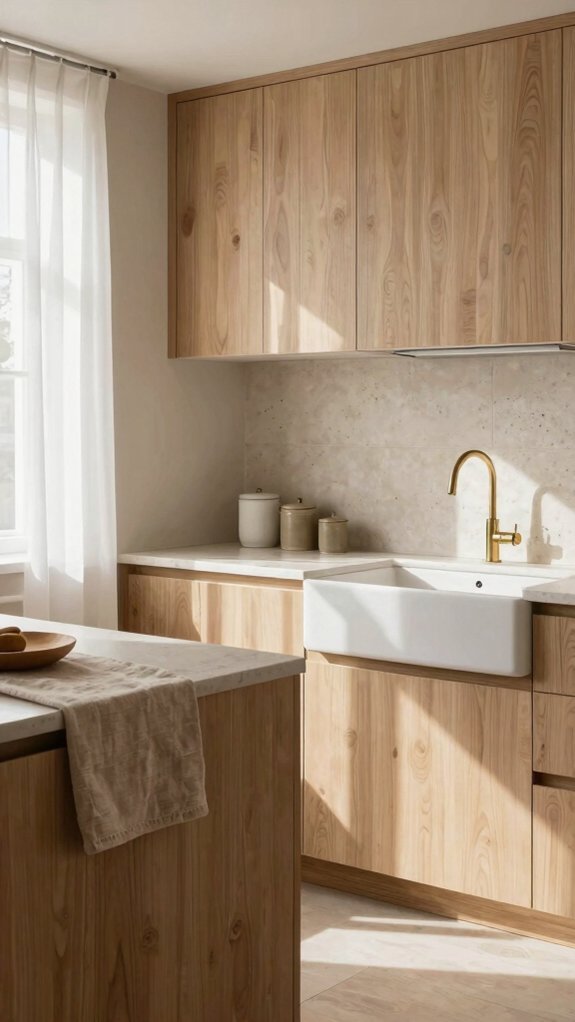
How does a kitchen maintain its appeal across generations? By selecting materials that develop character over time. Scandinavian design prioritizes natural substances like solid wood, stone, and ceramics that weather gracefully.
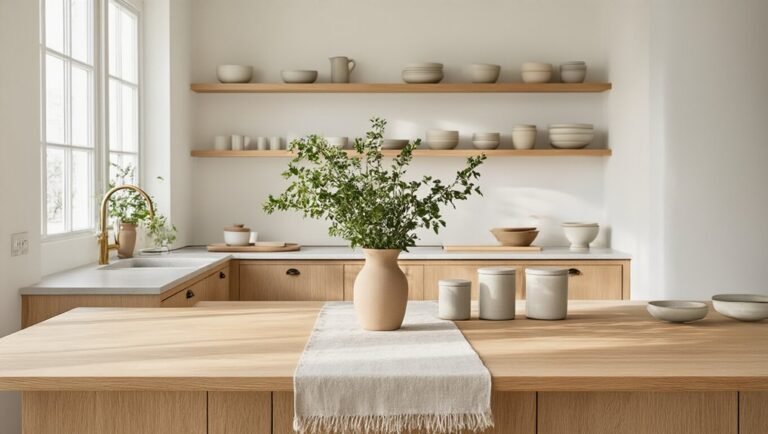
Wood cabinetry deepens with age, while stone countertops gain patina. Incorporating earthy tones reminiscent of mushroom and clay creates cohesion with these materials.
Choosing untreated or lightly finished surfaces allows authentic aging rather than artificial deterioration. Quality craftsmanship ensures durability, reducing replacement needs.
This sustainable approach honors Scandinavian values while establishing kitchens that become more beautiful and meaningful as years accumulate.
Prioritize Functional Storage Over Decorative Clutter
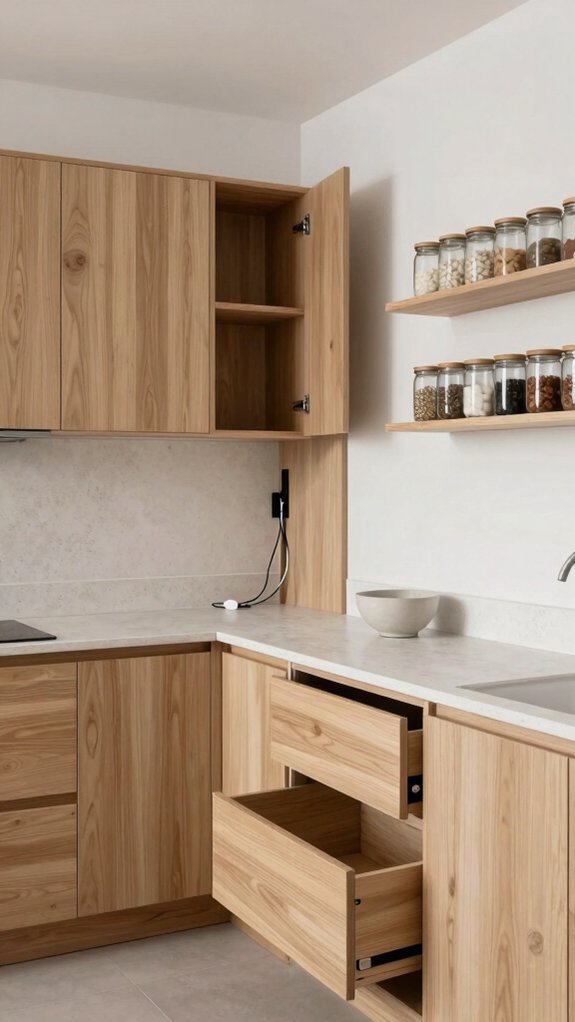
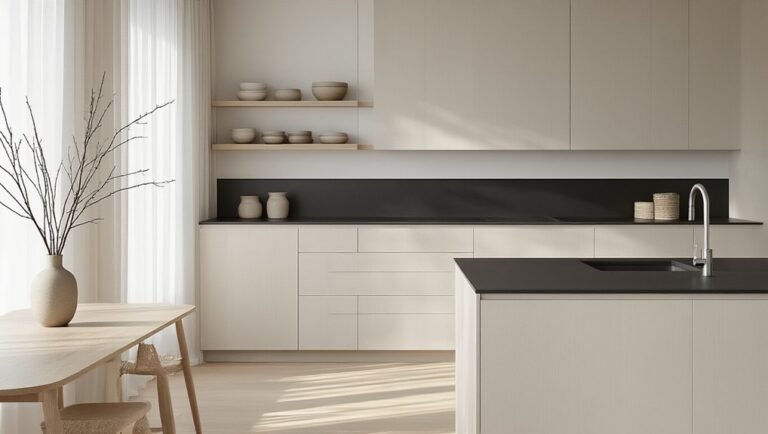
While natural materials establish a kitchen’s visual foundation, the spaces they occupy demand equally thoughtful consideration. Scandinavian design prioritizes purposeful organization by integrating concealed storage solutions that maintain visual clarity. Cabinets with clean lines and minimal hardware eliminate visual noise, while appliance garages seamlessly hide countertop devices behind sleek doors. Drawers feature intelligent dividers that allocate specific purposes for utensils and tools. This methodology reflects the Nordic philosophy that functionality supersedes decoration. By eliminating unnecessary objects from view, kitchens achieve a serene, uncluttered aesthetic. Every storage element serves a deliberate function, creating spaces that feel both spacious and intentionally designed.
Maximize Light and Open Space
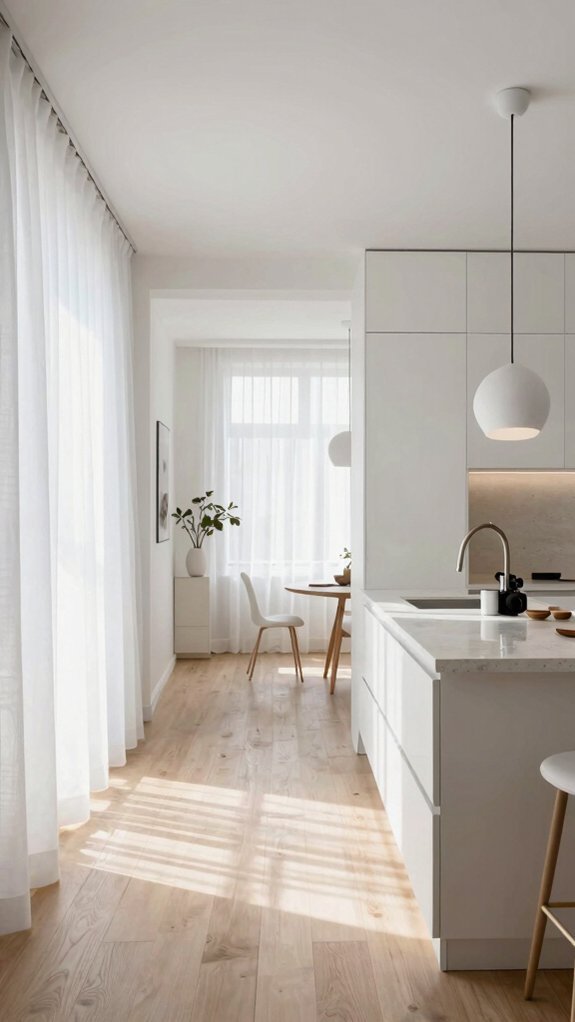
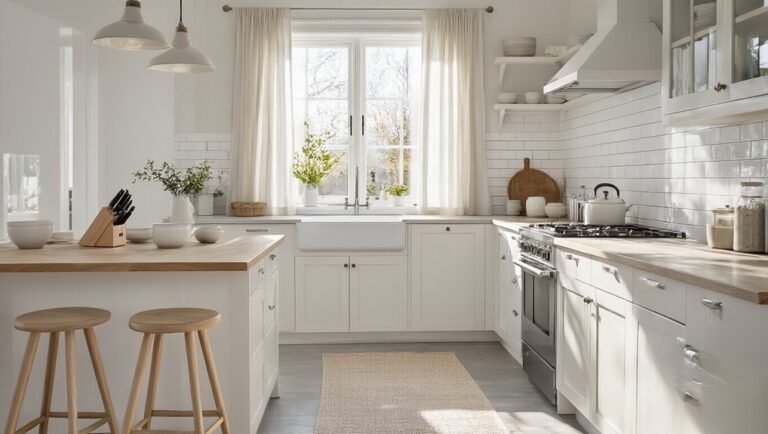
Strategic lighting and spatial planning form the cornerstone of Scandinavian kitchen design, where natural illumination and unobstructed sightlines create an airy atmosphere. Large windows and minimal window treatments maximize daylight penetration, reducing reliance on artificial lighting. Open floor plans eliminate visual barriers, allowing light to travel freely throughout the space. The principle of lagom—embracing balance and “just the right amount”—guides decisions about furniture placement and cabinetry height, ensuring nothing obstructs views or light flow. Reflective surfaces amplify available light, while strategic pendant fixtures provide task-specific illumination. This harmonious approach yields kitchens that feel both spacious and welcoming.
Select Minimal Hardware and Clean-Lined Cabinetry
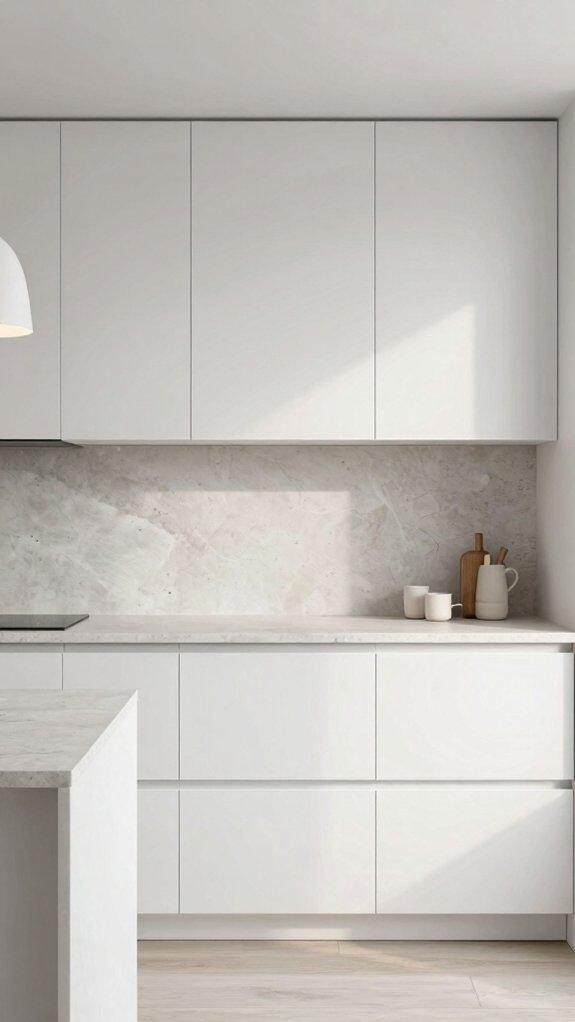
Scandinavian kitchens typically feature cabinetry with clean lines and minimal ornamentation, creating visual simplicity that anchors the entire design. This aesthetic emphasizes functionality over decoration, with flat-panel doors and streamlined silhouettes dominating the space. Hardware selection remains intentional and understated, often incorporating recessed and groove handles that blend seamlessly into cabinetry surfaces. These subtle details maintain the kitchen’s uncluttered appearance while ensuring practical usability. Neutral color palettes—whites, grays, and natural wood tones—complement the minimalist approach. By prioritizing clean lines and restraint in hardware choices, homeowners achieve a sophisticated, timeless kitchen that feels both contemporary and enduringly elegant.
Add Warmth With Rugs, Linens, and Wood Accents
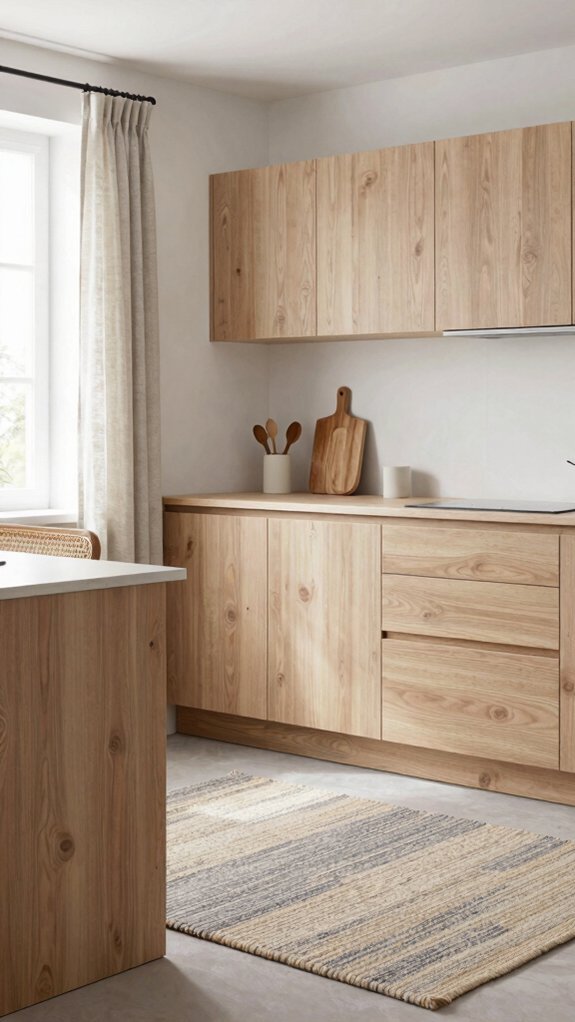
How can homeowners balance the minimalist aesthetic with genuine comfort? Scandinavian design achieves this through strategic layering of natural textures. Soft wool rugs ground kitchen spaces while adding visual warmth beneath bare floors. Linen kitchen towels and curtains introduce subtle pattern and tactile softness without visual clutter. Wood accents—cutting boards, open shelving, or dining tables—bridge japandi principles by combining Scandinavian minimalism with Japanese simplicity. These elements prevent kitchens from feeling cold or sterile. Natural materials create an inviting atmosphere that feels lived-in yet intentional, proving that restraint and coziness coexist harmoniously in contemporary kitchen design.
Keep Countertops Clear and Intentional
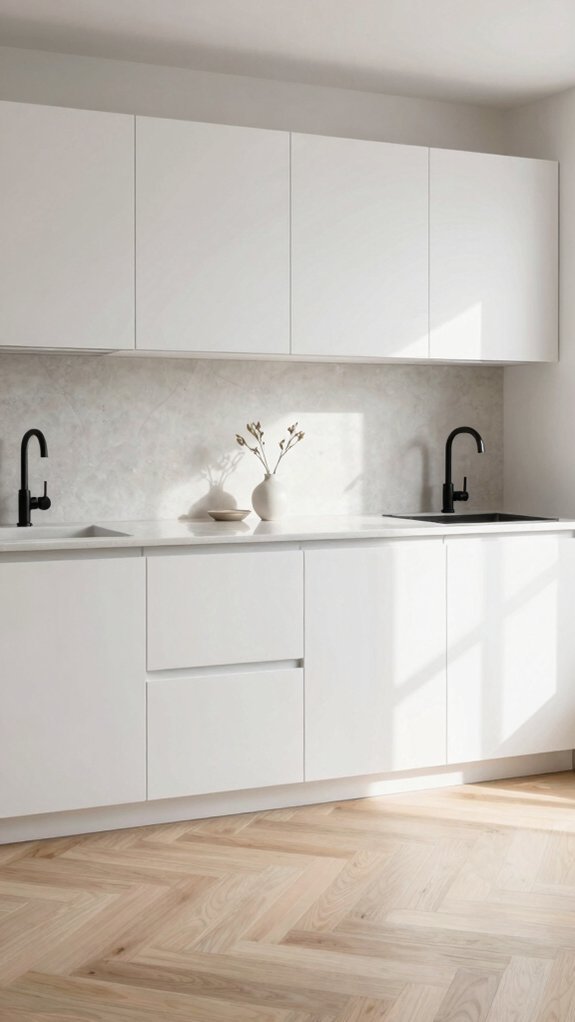
Why do cluttered countertops undermine even the most thoughtfully designed kitchens? Scandinavian design embraces the principle of eco-lagom—finding balance between minimalism and functionality. Clear countertops reflect this philosophy by displaying only essential items: a cutting board, knife block, or single decorative piece. This approach reduces visual noise while maintaining practical accessibility. Designers recommend storing appliances, utensils, and ingredients in closed cabinetry or drawers. When surfaces remain uncluttered, the natural beauty of materials—marble, wood, or stainless steel—becomes the focal point. This intentional curation creates an organized, peaceful kitchen environment that supports both culinary work and relaxation, embodying Scandinavian design’s core aesthetic.
Buy Quality Staples, Skip the Statement Pieces
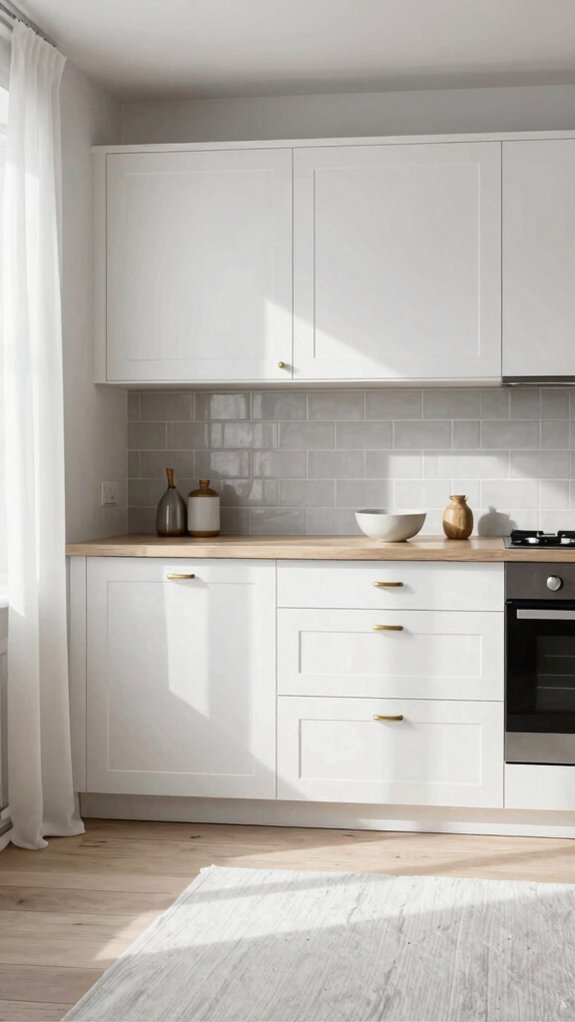
What distinguishes a functional Scandinavian kitchen from trendy ones? The philosophy of investing in quality essentials rather than eye-catching focal points. Scandinavian design prioritizes durable cabinetry with matte lacquer finishes that withstand daily use while maintaining understated elegance. Homeowners should select timeless appliances and fixtures in neutral tones—stainless steel, white, or black—that complement any future updates. Avoiding statement pieces prevents dated aesthetics and unnecessary expenses. This approach ensures longevity and adaptability, allowing the kitchen to serve its primary purpose: functionality. Quality staples create a cohesive, enduring space that transcends fleeting design trends.
Make Minimalism Feel Warm and Inviting
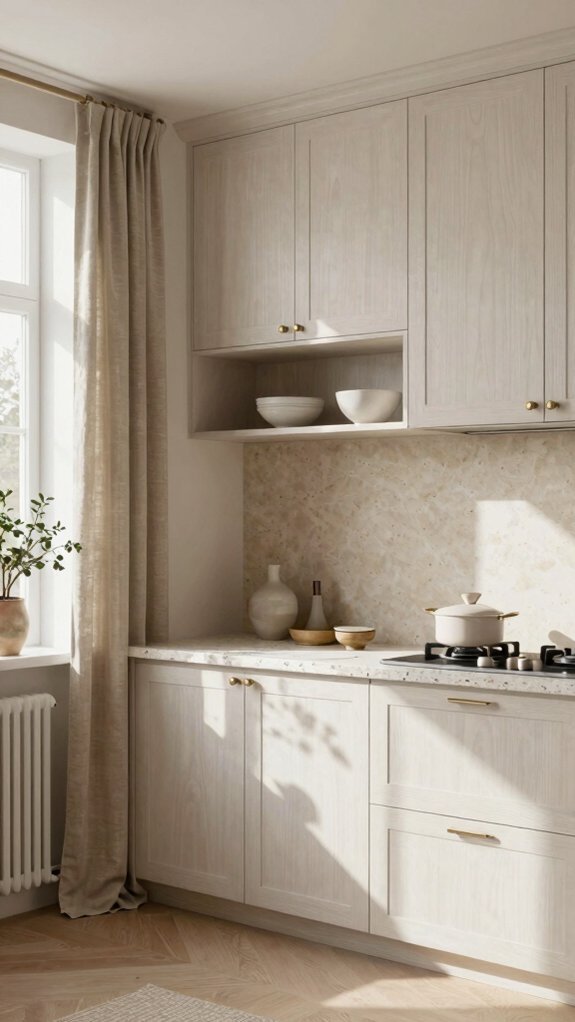
While minimalism often conjures images of cold, sterile spaces, Scandinavian kitchens prove that restraint and warmth coexist beautifully. The philosophy embraces “the invisible kitchen,” where essential appliances and storage blend seamlessly into cabinetry, eliminating visual clutter. This approach creates breathing room that paradoxically feels inviting rather than austere.
Warmth emerges through natural materials like light wood and stone, soft lighting that emphasizes coziness, and carefully selected textiles. Open shelving displays a curated collection of everyday ceramics and cookbooks, adding personality without excess. The result is a serene space that feels both sophisticated and lived-in, prioritizing function and comfort over decoration.